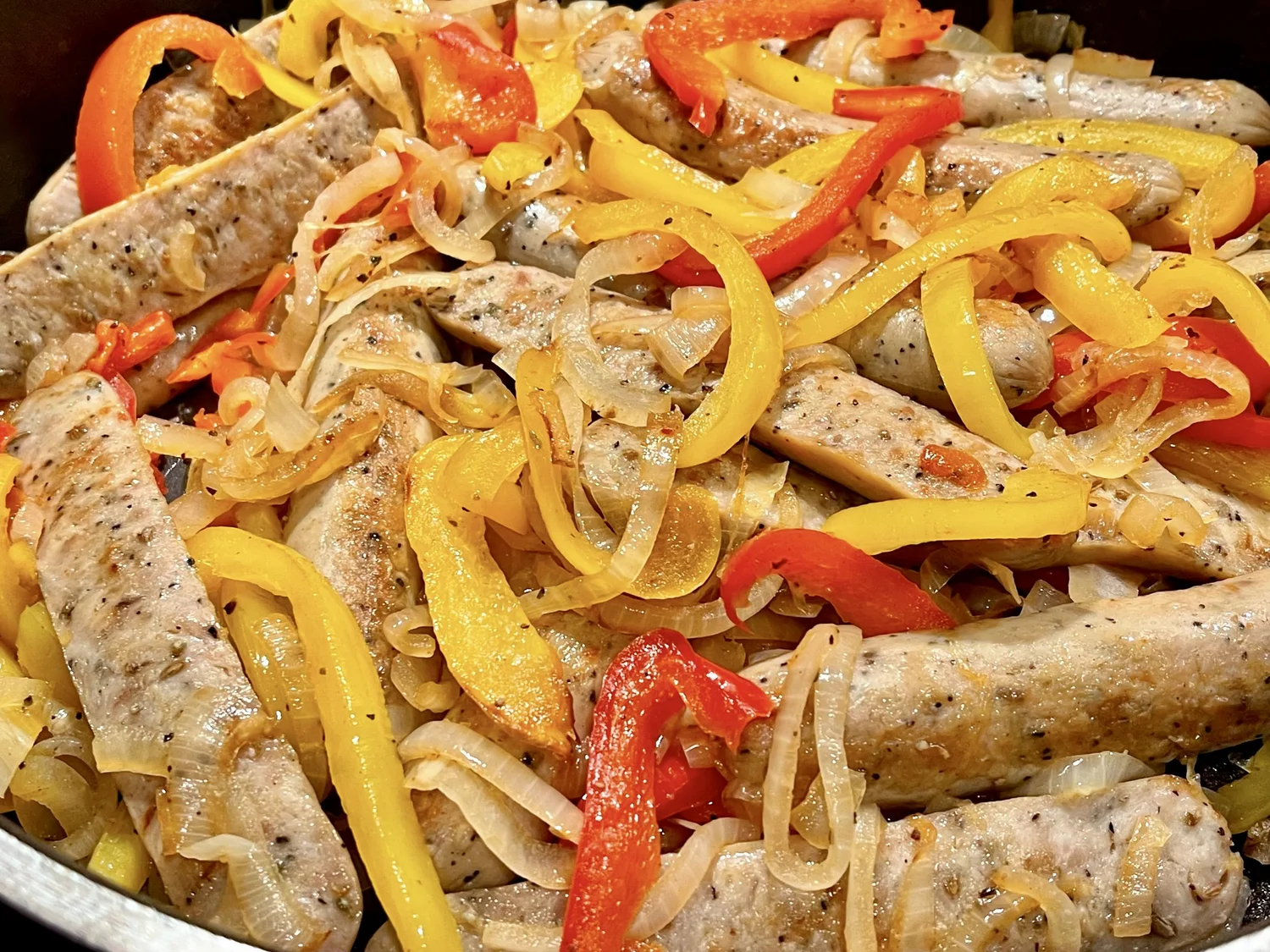
The Transatlantic Taste: From Rustic Roots to American Tables
Few dishes evoke the warmth of family, the richness of tradition, and the vibrant spirit of Italian-American cooking quite like
sausage and peppers. It's more than just a meal; it's a culinary narrative that spans generations, oceans, and countless Sunday dinners. This humble yet incredibly satisfying dish began its journey in the sun-drenched, rustic kitchens of Southern Italy, where resourceful cooks transformed simple, readily available ingredients into flavorful, hearty fare. As millions of Italian immigrants sought new beginnings in America during the late 19th and early 20th centuries, they brought with them their culinary heritage, adapting beloved recipes to the ingredients and opportunities of their new home.
The journey of sausage and peppers to American dinner tables, bustling street festivals, and family cookouts is a testament to cultural resilience and adaptation. Settling in major U.S. cities like New York, Boston, and Chicago, these immigrants began to recreate the tastes of home. Italian sausage, with its distinctive seasoning of fennel, became a staple, paired with colorful bell peppers, onions, and tomatoes, which were easily accessible and affordable. What started as a family meal, a taste of comfort in a new land, soon evolved into an iconic Italian-American street food. It gained significant prominence at community gatherings and festivals, such as New York's annual Feast of San Gennaro, established in 1926, where vendors have served this savory medley on hero rolls since its earliest days. The aroma of sizzling sausage and sweet, charred peppers became synonymous with celebration, community, and the enduring spirit of Italian-American culture.
The Art of Simplicity: Core Ingredients and Their Magic
The enduring appeal of sausage and peppers lies in its remarkable simplicity and the harmonious interplay of a handful of quality ingredients. This is a dish that proves you don't need a lengthy list of exotic components to create something truly extraordinary. Nonna's secret, often whispered across generations, was always about letting the ingredients speak for themselves.
At its heart, the dish features:
- Italian Sausage: This is the star of the show. Typically made from pork, Italian sausage comes in two main varieties:
- Sweet Italian Sausage: Seasoned primarily with fennel, garlic, and sometimes parsley, offering a mellow yet distinctly aromatic flavor. It’s often the go-to choice for a classic taste.
- Hot Italian Sausage: Adds a fiery kick with the inclusion of red pepper flakes, making it perfect for those who crave a bit of heat. Many home cooks opt for a blend of half sweet and half hot sausage for a balanced flavor profile that offers warmth without overwhelming the palate. When selecting sausage, look for fresh, high-quality links from a trusted butcher.
- Bell Peppers: Vibrant and naturally sweet, bell peppers are essential. A mix of red, yellow, and green not only adds beautiful color but also layers of subtly different sweetness and texture. They soften and caramelize beautifully during cooking, releasing their sugars and becoming incredibly tender.
- Onions: Sliced onions, typically yellow, provide a foundational sweetness and pungent aroma that mellows and sweetens as it cooks down. Some recipes even suggest adding a touch of red onion for a slightly sharper, more complex flavor, or to balance the sweetness.
- Garlic: Minced fresh garlic is non-negotiable, infusing the entire dish with its aromatic, savory essence. It’s the background note that elevates every bite.
- Tomatoes (Optional, but Recommended): While some versions focus solely on the browned sausage and sautéed vegetables, many recipes, particularly those passed down through Italian-American families, incorporate a light tomato sauce or diced tomatoes. This adds moisture, a touch of acidity, and a richer, more cohesive sauce that marries all the flavors together. A good quality canned crushed or diced tomato can make all the difference.
Beyond these core components, humble additions like a good quality olive oil (or a touch of butter for sautéing the vegetables), dried oregano, and a pinch of crushed red pepper flakes can amplify the bold, aromatic profile of the dish. The beauty is in its adaptability; even with just these few items, you can create a meal that is both hearty and bursting with flavor, perfect for any occasion, from a quick weeknight dinner to a festive family gathering.
Crafting Nonna's Flavor: Techniques for Perfection
Achieving that authentic, Nonna-approved flavor in your
sausage and peppers isn't about complicated steps, but rather about mastering a few key techniques that bring out the best in each ingredient. This isn't just a "throw it all in a pan" dish; it's about building layers of flavor with care and patience.
The Golden Rule: Browning the Sausage
The first and perhaps most crucial step is properly browning your Italian sausage. Whether you cook the links whole or slice them, developing a crisp, golden-brown exterior is essential. This process, known as the Maillard reaction, creates deep, savory flavors and a delightful texture that simply can't be achieved otherwise.
- Preheat your Skillet: Use a large, heavy-bottomed skillet or Dutch oven. A hot pan ensures a good sear.
- Sear, Don't Steam: Place the sausages in a single layer, giving them space. Overcrowding the pan will cause them to steam rather than brown. Cook over medium-high heat, turning occasionally, until nicely browned on all sides and cooked through.
- Remove and Reserve: Once browned, remove the sausages from the pan and set them aside. Don't clean the pan! The fond (those delicious browned bits stuck to the bottom) is where much of your flavor will come from.
Caramelizing the Vegetables: The Sweet Foundation
With the sausage flavor infused into the pan, it's time for the vegetables to shine. This step is about slow cooking to bring out their natural sweetness and tenderness.
- Sauté Onions and Peppers: Add your sliced onions and bell peppers to the same skillet, adding a tablespoon or two of olive oil or butter if needed. Cook over medium heat, stirring occasionally. The goal here is not just to soften them, but to allow them to caramelize slightly, developing a rich, sweet depth. This can take 10-15 minutes.
- Add Garlic: Once the onions and peppers are tender and slightly golden, add your minced garlic. Cook for just a minute until fragrant, being careful not to burn it.
Deglazing and Simmering: Unlocking Deep Flavors
Deglazing is a simple yet powerful technique that captures all those flavorful bits from the bottom of the pan and incorporates them into your sauce.
- Deglaze (Optional, but Recommended): Pour in a splash of dry white wine, chicken broth, or even a bit of balsamic vinegar. Use a wooden spoon to scrape up all the browned bits from the bottom of the pan. This adds immense depth and complexity.
- Introduce Tomatoes and Seasonings: If using, add your crushed or diced tomatoes to the pan. Stir in dried oregano, a pinch of red pepper flakes (if using hot sausage, adjust accordingly), salt, and black pepper.
- Return Sausage and Simmer: Slice the browned sausages into coins (or keep them whole, depending on your preference) and return them to the pan with the vegetables and sauce. Bring the mixture to a gentle simmer, then reduce the heat to low, cover, and cook for at least 15-20 minutes. This allows the flavors to meld beautifully and the sausages to absorb the delicious sauce.
Versatility in Serving
One of the greatest joys of sausage and peppers is its incredible versatility. It adapts effortlessly to various mealtime settings:
- The Classic Sandwich: Tucked into a crusty hero roll or hoagie bun, it's the ultimate Italian street food experience – juicy, charred, and utterly satisfying.
- Over Pasta: Serve it generously over your favorite pasta (rigatoni, penne, or orecchiette work wonderfully) for a hearty, comforting meal.
- With Crusty Bread: A simple side of crusty Italian bread is perfect for soaking up all that delicious sauce.
- As a Topping: Get creative and use it as a robust topping for pizza or even as a filling for strombolis or calzones.
This one-pan wonder comes together quickly with easy-to-find ingredients, making it an impossibly delicious yet simple-yet-satisfying dinner for busy weeknights, while still carrying the heart and soul of Nonna's kitchen.
Beyond the Recipe: Sausage and Peppers as a Cultural Icon
Sausage and peppers transcends its status as a mere recipe; it has cemented its place as a profound cultural icon within the Italian-American community and beyond. It’s a dish that embodies history, perseverance, and the timeless tradition of bringing people together around a shared meal. Every simmering pot tells a story – of immigrants building new lives, of families passing down cherished recipes, and of communities celebrating their heritage with zest and flavor.
This dish evokes a powerful sense of nostalgia, transporting many back to childhood memories of bustling family gatherings, outdoor summer cookouts, or the excitement of a local Italian festival. It’s a dish that feels familiar and comforting, a culinary hug that reminds us of home. Its simplicity ensures its accessibility, while its robust flavor guarantees satisfaction, making it a perennial favorite that continues to resonate with new generations. Whether it’s your go-to easy weeknight dinner or the star of your next party, sausage and peppers remains a delicious testament to the enduring power of food to connect us to our past, present, and future.
In essence, the journey of Italian sausage and peppers, from Nonna's rustic kitchen to the global stage, is a beautiful reflection of cultural exchange and culinary evolution. It stands as a delicious symbol of how tradition can be preserved and adapted, proving that the most cherished recipes are often those born of love, resourcefulness, and a profound understanding of simple, good food.